RimPest: Infestation Ecology
 1 / 4
1 / 4What is RimPest? RimPest is a pest ecology mod built around colony neglect, decay, and environmental pressure. Instead of spawning pests as a simple random nuisance, RimPest ties infestations to the state of your colony. Rotting corpses, filth, darkness, poor storage, and forgott
What is RimPest?
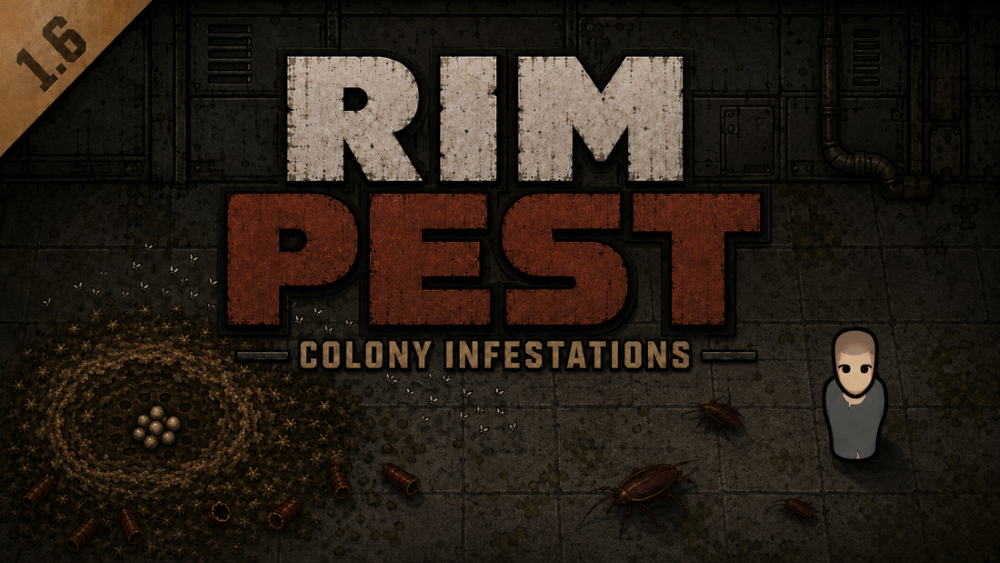
RimPest is a pest ecology mod built around colony neglect, decay, and environmental pressure. Instead of spawning pests as a simple random nuisance, RimPest ties infestations to the state of your colony. Rotting corpses, filth, darkness, poor storage, and forgotten corners can create the conditions for vermine to appear, spread, feed, hide, nest, lay eggs, and grow into a persistent colony problem. The goal is not to bury your game under another bloated system. RimPest adds a streamlined but meaningful layer of colony maintenance: keep things clean, dispose of bodies, manage dark dirty spaces, use cold rooms, deploy traps and repellents, and let pets help where they can. Neglect becomes ecology. Ecology becomes infestation. Infestation becomes your problem.

The Infestation Loop
RimPest is built around a simple idea: neglected spaces should not stay passive forever. Rotting bodies, filth, darkness, and poor colony maintenance can raise local pest pressure. As pressure builds, vermin may begin to appear, searching for food, shelter, and safer dark spaces inside or around your colony. If the problem is ignored, infestations can mature. Roaches, for example, may spread filth, establish nests, lay egg capsules, hatch nymphs, and slowly turn a dirty corner into a living colony problem. The infestation is designed to be readable and manageable: clean the area, bury, cremate, butcher, or otherwise dispose of corpses, lower the temperature, use traps, place bait, activate repellents, or let trained pets thin the population before the infestation becomes harder to contain.
How Pests Behave
RimPest vermin are not meant to feel like random decorations scattered across the map. They follow simple environmental rules that make infestations predictable, preventable, and easier to understand.Cold slows them down
Pests are vulnerable to low temperatures. Freezers, winter conditions, and cold rooms can help suppress or remove infestations, making temperature one of the cleanest ways to control them.Filth and rot attract them
Dirty rooms, decaying bodies, and neglected storage areas are more likely to become pest-friendly spaces. Keeping floors clean and disposing of rot early will reduce the conditions pests rely on.They prefer darkness and shelter
Roaches and similar vermin are more comfortable in dark, roofed, and protected spaces. They are more likely to linger in corners, storage rooms, tunnels, corpse rooms, and other neglected interior areas.They can move through colony spaces
Pests are small enough to slip through connected rooms and move underneath doors, allowing an infestation to spread through a base if the conditions remain favorable.They look for food
Pests can feed from available organic sources and are drawn toward places where food, corpses, or decay are left unmanaged. Poor storage is not just ugly. It is an invitation.They make the colony dirtier
As pests spread, they can leave filth behind, making neglected areas worse over time and feeding back into the pressure that allowed the infestation to grow. This also matters for colony mood: dirty rooms, pest filth, and visible neglect can affect the sanity of your pawns.Pets can help
Some trained animals can hunt small pests, helping reduce local populations before they become a larger problem. Your cat finally has a job beyond eating meals and judging everyone.
Compatibility & Performance
RimPest was designed to stay lightweight and colony-focused. It does not add new factions, world generation systems, storytellers, raids, ideology layers, or massive background simulations. Most systems are driven by local map conditions, periodic checks, soft population limits, and simple environmental rules. Pest pressure, spawning, nests, traps, bait, repellents, and pet predation are built to create gameplay pressure without turning your colony into a TPS crime scene. RimPest should fit into most normal modlists, this version has been tested on a 380+ mod list.FAQ
Is RimPest compatible with Combat Extended?
Yes.Safe to add mid-save?
RimPest is designed to be added to an existing save. New pest systems will begin operating once the mod is active and the required conditions appear on your maps.Safe to remove mid-save?
YesHow do I prevent infestations?
Keep rooms clean, dispose of corpses, avoid leaving dark filthy corners unmanaged, use cold rooms where appropriate, and deploy traps, bait, repellents, or pets to control growing pest populations.Are pests aggressive?
RimPest is focused on nuisance pests, colony maintenance, filth, pressure, and infestation management. Some hostile vermin will be added later on.Roadmap
RimPest is starting with cockroaches because they are the foundation of the system: small, persistent, filthy, corpse-driven, and perfect for testing pest pressure, nesting, lifecycle growth, traps, repellents, pet predation, and colony cleanup. Future updates will expand the pest ecology with new vermin, new environmental pressures, and more colony-management interactions. The goal is not to flood the game with random insects, but to add pests that each have a clear gameplay role.Giant Water Bugs
A larger, more dangerous pest type planned for wet, dirty, or neglected environments. These are intended to feel more threatening than roaches, with stronger presence and harsher consequences if allowed to establish themselves.Termites
A structural pest concept focused around wood, buildings, storage, and colony maintenance. Termites are planned as a future way to make poor construction hygiene and neglected wooden infrastructure matter more.Grasshoppers
A future outdoor/agricultural pest concept focused around crops, growing zones, and exposed food production. Grasshoppers are planned to bring pest pressure outside the base and into colony farming.Future system ideas
More pest types with distinct behavior and ecological niches. More biome and temperature interactions. More visual variation for infestations, filth, nests, and pest traces. More pest control options and balance tuning. Possible integrations with Dub's hygiene, storage, farming, animal, and environmental systems where they make sense.Similar Mods
Vanilla Fishing Expanded
Vanilla Fishing Expanded is a first module in a brand new mod series “Vanilla Cuisine Expanded” from the Vanilla Expanded team.


Wall Light
As of update 1.5, Rimworld now contains wall lamps that serve the same purpose that this mod served for many, many years. So, what does this do now? Adds wall sun lamps. Lets you configure the vanilla wall lamps (and the added wall sun lamps) like you could with the old wall ligh

Vanilla Weapons Expanded
We are not responsible for CE patch, nor are we responsible for CE balancing or in fact anything regarding CE.
More Management Mods

Vanilla Apparel Expanded
1.2.1 (25/02/2020): Formal wear now counts as royal apparel. 1.2.0 (19/02/2020): This mod is now 1.1 compatible. After a hundred hours playing RimWorld you notice that every pawn wears somewhat the same things. The base game apparel is not really as interesting, unique and variou
Vanilla Fishing Expanded
Vanilla Fishing Expanded is a first module in a brand new mod series “Vanilla Cuisine Expanded” from the Vanilla Expanded team.
Wall Light
As of update 1.5, Rimworld now contains wall lamps that serve the same purpose that this mod served for many, many years. So, what does this do now? Adds wall sun lamps. Lets you configure the vanilla wall lamps (and the added wall sun lamps) like you could with the old wall ligh